
Expert Neurological Physiotherapy in Walkden — Delivered to Your Home
Personalised home visits across Greater Manchester, Cheshire East, Warrington and St Helens. No travel. No waiting rooms. Same physiotherapist every session.
Phone lines: Mon–Sat 8am–8pm
Arrange Your Home Visit
Choose a home visit or an online consultation, pick a time that suits you, and pay after your session.
Book appointment Call us · 0161 399 5245No card needed to book
In Walkden
Approx. 60 minutes
£110
Same-day or next-day appointments often available
Subject to capacity
No GP referral normally required
HCPC-registered & chartered physiotherapist
Family members and carers are welcome
Postcode confirmed during your initial call
Home Neurological Physiotherapy in Walkden
Recovery at Home Physio delivers evidence-based home neurological physiotherapy to patients across Walkden, combining the clinical standards of a hospital department with the convenience and comfort of a home visit.
What happens next?
- 1
Send us your postcode and telephone number.
- 2
Speak to a physiotherapist about your needs and location.
- 3
If the service is suitable and available, arrange a convenient home assessment.
Book your free phone consultation in Walkden
Speak to a chartered physiotherapist about neurological physiotherapy in Walkden. Request a call and we will arrange a convenient time — no obligation.
No card needed to book — pay after your session.
Who This Service Is Suitable For
Patients with neurological conditions affecting movement, strength, balance, coordination, or functional independence — including those recovering from stroke or managing progressive conditions.
If you are unsure whether this is the right service for you or a relative, you are welcome to request a free telephone consultation — we will talk through your situation and advise honestly.
What We Work Towards
Treatment may help you work towards the goals below. Your rehabilitation may focus on some or all of these. Goals depend on your assessment, condition and circumstances, and outcomes vary between individuals — they cannot be guaranteed.
- Practising functional movement
- Working on walking, balance and transfers
- Managing changes in strength and coordination
- Supporting independence
Your First Visit, Step by Step
Knowing what to expect helps you feel prepared. Here is what typically happens at your first home appointment.
- How long it lasts
- Around 60 minutes, in your own home.
- What we ask about
- Your medical history, current symptoms, medications, any recent scans or hospital stays, and what you would like to achieve.
- Assessments we may complete
- Movement, tone, strength, coordination, balance, walking and transfers, tailored to your condition.
- Does treatment start straight away?
- Yes — most people begin hands-on treatment and their first exercises during this visit, where appropriate.
- What you receive afterwards
- A written exercise programme, clear advice on what to do between sessions, and a summary of your agreed goals and plan.
- Can a family member or carer attend?
- Yes. A family member or carer is welcome to attend — just let us know when booking.
- Clothing & preparation
- Wear loose clothing. Have any mobility aids and a list of medications ready.
Arranging Physiotherapy for a Relative?
Arranging physiotherapy for a parent, partner or relative? You can request the initial call on their behalf. With the patient’s agreement, relatives and carers can be involved in the assessment and rehabilitation plan.
Your Physiotherapy Team in Walkden
HCPC registered, chartered physiotherapists with experience in neurological rehabilitation.
Clinician availability depends on your location, needs and appointment times. We will confirm who will visit you when you book.
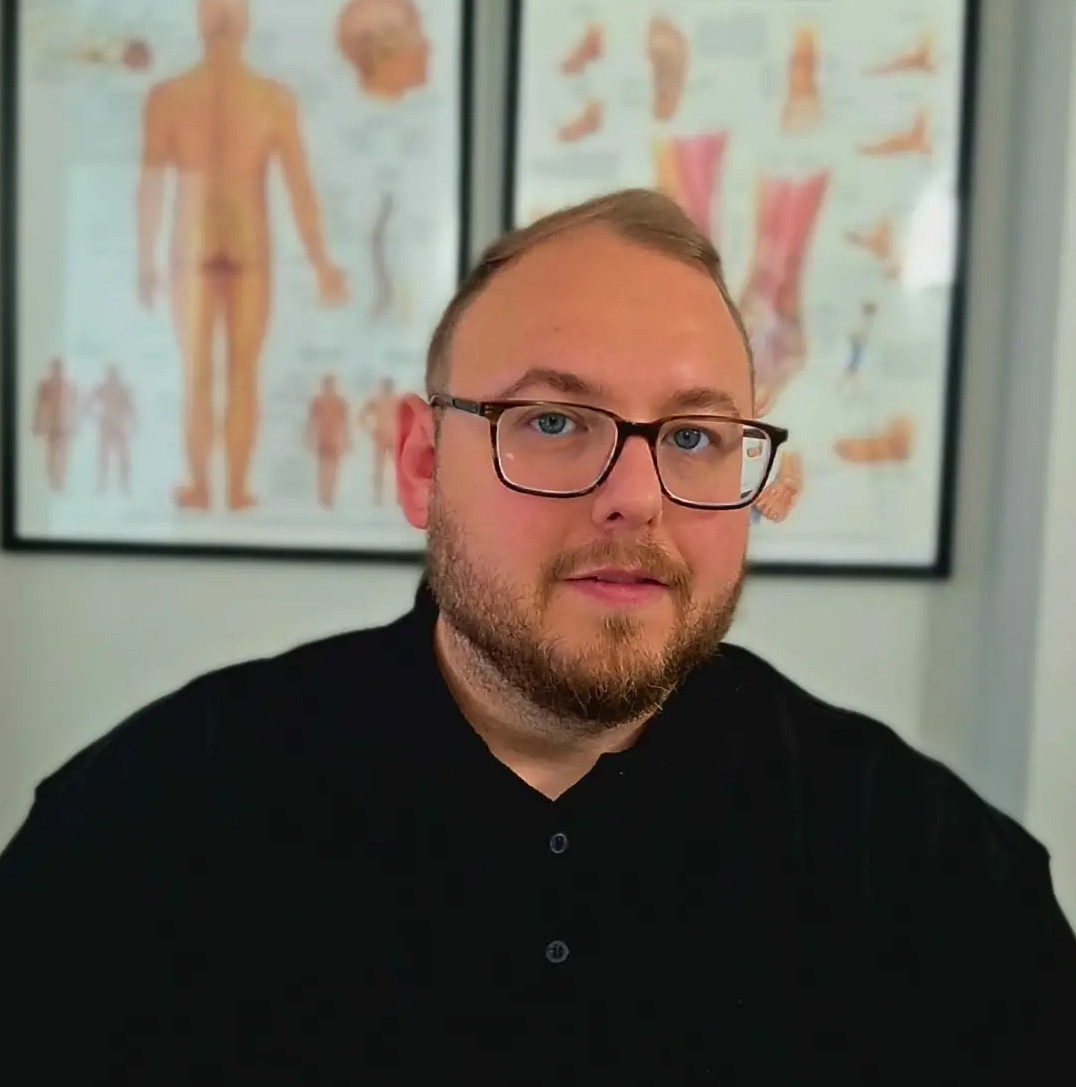


Not sure whether this service is right for you or your relative? Speak to a chartered physiotherapist and check availability in Walkden.
Why Physiotherapy at Home May Help
Home physiotherapy allows assessment and rehabilitation in the environment where everyday activities take place. For people in Walkden who find clinic travel difficult, this can make treatment more convenient and directly relevant to their daily goals. Clinic-based physiotherapy still has a place, and the right option depends on your needs and preferences.
No travel required. The physiotherapist comes to you at a time that suits, eliminating stressful journeys and waiting rooms.
You must travel to every appointment, arrange transport, find parking, and wait — often exhausting and painful for patients with mobility issues.
Your physiotherapist sees exactly how you move in your own home — your stairs, your chairs, your bathroom — and treats the real challenges you face daily.
Assessment takes place in an artificial clinical environment that doesn't reflect the obstacles you encounter at home.
Trip hazards, lighting, furniture layout, and flooring are assessed directly. Recommendations are specific to your actual home.
Home hazards cannot be identified. Falls prevention advice is generic rather than tailored to your environment.
Exercises are practised on your actual stairs, in your own hallway, using your own furniture — directly transferable to daily life.
Exercises use clinical equipment on flat surfaces that don't represent your home environment, reducing carryover.
Treatment in familiar, private surroundings can reduce anxiety and encourage engagement for many patients.
Clinical environments can feel less personal, which some patients find unsettling.
You see the same physiotherapist at every visit, building trust and ensuring consistent, progressive treatment.
You may see different therapists at each appointment, disrupting the therapeutic relationship and treatment consistency.
Treatment Built Around Your Home
For many people in Walkden, being assessed and treated at home means exercises are practised on the actual stairs, chairs and surfaces they use every day. Outcomes depend on your condition, goals and how consistently you follow your programme — but treatment in your own environment can make rehabilitation more practical and directly relevant to daily life.
About Home Neurological Physiotherapy
Specialist Neurological Physiotherapy
Neurological physiotherapy is a specialist area of practice that focuses on conditions affecting the brain, spinal cord, and peripheral nervous system. These conditions — which include stroke, multiple sclerosis, Parkinson's disease, brain injury, spinal cord injury, and motor neurone disease — require physiotherapists with advanced training and specific clinical expertise.
Our neurological physiotherapists hold specialist qualifications and have extensive experience treating complex neurological conditions in both NHS and private settings.
Conditions We Treat
Our neurological physiotherapy service covers a wide range of conditions including stroke and transient ischaemic attack recovery, multiple sclerosis management, Parkinson's disease, traumatic brain injury rehabilitation, spinal cord injury, Guillain-Barré syndrome, motor neurone disease, and peripheral neuropathy.
Each condition presents unique challenges, and our physiotherapists draw on deep specialist knowledge to provide effective, evidence-based treatment.
Functional Goal-Setting
Neurological rehabilitation is guided by meaningful, functional goals. Rather than focusing solely on physical measurements, we work with you to identify the activities that matter most — whether that is walking to the park, preparing a meal independently, or returning to a hobby.
These goals provide motivation and direction for treatment, and we review and update them regularly as you progress.
Carer and Family Support
Living with a neurological condition affects the whole family. Our physiotherapists provide education and training for family members and carers, helping them understand the condition, support exercises safely, and assist with transfers and mobility.
This collaborative approach ensures continuity of support between physiotherapy sessions and empowers families to play an active role in rehabilitation.
Understanding Your Condition
A comprehensive resource covering causes, symptoms, diagnosis, treatment, recovery, and self-management — designed to help you understand your condition and make informed decisions about your care in Walkden.
1Causes: Neurological Conditions We Treat
Neurological physiotherapy addresses conditions affecting the brain, spinal cord, and peripheral nervous system. These conditions arise from various causes and result in a wide range of movement and functional impairments. Understanding the specific condition is essential for designing effective rehabilitation.
Stroke is one of the most common neurological conditions requiring physiotherapy, caused by interruption of blood supply to the brain. Our dedicated stroke rehabilitation service provides specialised care for stroke recovery.
Multiple sclerosis (MS) is an autoimmune condition where the immune system attacks the myelin sheath protecting nerve fibres, disrupting nerve signals. The cause is not fully understood but involves genetic susceptibility and environmental factors. MS causes a range of symptoms including weakness, fatigue, balance problems, and vision changes.
Parkinson's disease, caused by degeneration of dopamine-producing brain cells, requires specialist physiotherapy management. Our Parkinson's physiotherapy service addresses this condition specifically.
Other conditions include traumatic brain injury (resulting from accidents, falls, or assaults), spinal cord injury (from trauma or disease), Guillain-Barré syndrome (an autoimmune condition affecting peripheral nerves), motor neurone disease (a progressive condition affecting motor nerves), cerebral palsy (a developmental condition), and peripheral neuropathy (damage to peripheral nerves from various causes including diabetes). Each condition presents unique challenges requiring specialist neurological expertise.
2Symptoms: How Neurological Conditions Affect Movement
Neurological conditions produce a diverse range of symptoms affecting movement, sensation, and function. The specific symptoms depend on the condition and the part of the nervous system affected, but several patterns are common across many neurological conditions.
Weakness is a frequent symptom, ranging from mild reduction in strength to complete paralysis. The pattern of weakness varies — stroke typically causes one-sided weakness (hemiparesis), while spinal cord injury may cause weakness below the level of injury, and peripheral neuropathy often affects the feet and hands first.
Spasticity — increased muscle tone causing stiffness and involuntary movements — is common after stroke, brain injury, and in MS. This can range from mild tightness to painful, disabling spasms. Conversely, flaccidity — reduced muscle tone — may occur in the early stages after stroke or in some peripheral nerve conditions.
Coordination and balance problems are common across many neurological conditions. Ataxia — uncoordinated movement — affects walking, hand use, and speech. Balance impairment increases fall risk significantly and is a major focus of neurological rehabilitation.
Sensory changes include numbness, tingling, altered sensation, and proprioceptive loss (reduced awareness of limb position). These sensory changes affect movement quality, safety, and functional ability. Fatigue is a common and often debilitating symptom across many neurological conditions, limiting the amount of rehabilitation that can be productive in a session. Cognitive changes — affecting attention, memory, executive function, or spatial awareness — may accompany physical symptoms and require consideration in rehabilitation planning.
3Diagnosis: Neurological Assessment
Neurological physiotherapy assessment is comprehensive, evaluating the full range of neurological symptoms and their impact on function. Your physiotherapist will take a detailed history of your condition, including onset, progression, medical investigations, and current symptoms. Understanding the diagnosis, prognosis, and medical management helps guide appropriate rehabilitation goals.
Motor assessment evaluates muscle strength (using standardised scales), muscle tone (checking for spasticity or flaccidity), reflexes, and active movement patterns. For stroke patients, specific assessments like the Motricity Index or Fugl-Meyer Assessment provide detailed evaluation of motor recovery. The assessment identifies both impaired and preserved abilities, forming the basis of the treatment plan.
Sensory assessment evaluates touch, pain, temperature, and proprioception across affected areas. Sensory deficits significantly affect movement quality and safety, and their identification guides treatment strategies. Balance and coordination assessment uses standardised tools — the Berg Balance Scale, Timed Up and Go, Functional Reach Test — to quantify impairment and fall risk.
Functional assessment evaluates your ability to perform daily activities — sitting balance, standing, transfers, walking, and upper limb function. Gait analysis identifies specific abnormalities in walking pattern. At home, environmental assessment identifies how your neurological condition affects your daily life and what modifications might improve safety and function. Cognitive screening may be conducted, with referral for detailed neuropsychological assessment where indicated.
4Treatment: Neurological Rehabilitation Approaches
Neurological rehabilitation draws from a range of evidence-based approaches, tailored to each patient's specific condition and goals. The fundamental principle is neuroplasticity — the brain and nervous system's ability to adapt, rewire, and form new connections in response to experience and practice.
Task-specific training is a core approach. Rather than generic exercises, rehabilitation practises the specific tasks the patient needs to perform — walking, reaching, grasping, transferring. Repetitive, intensive practice of meaningful tasks drives neuroplastic change and functional improvement. The more relevant and engaging the task, the stronger the learning.
For patients with weakness, facilitation techniques encourage active movement in affected limbs. These may include: weight-bearing through affected limbs (promoting normal tone and sensory feedback), manual guidance of movement patterns, use of mirrors for visual feedback, and biofeedback devices. Constraint-induced movement therapy — restricting the unaffected limb to force use of the affected one — is effective for upper limb recovery after stroke.
Spasticity management includes stretching programmes, positioning, and — where indicated — medical interventions such as botulinum toxin injections. Balance and coordination training progresses from static to dynamic exercises, using functional tasks to challenge and improve stability.
Gait training focuses on improving walking pattern, speed, and endurance. This may involve treadmill training (with body weight support if needed), overground walking practice, and use of assistive devices. Functional electrical stimulation (FES) can help activate weakened muscles during walking. The approach is always individualised, considering the condition, stage, and patient goals.
5Physiotherapy at Home: Neurological Rehabilitation in Your Environment
Home-based neurological rehabilitation offers particular advantages for patients with significant mobility limitations, for whom travel to a clinic is exhausting, impractical, or potentially unsafe. In Walkden, our neurological physiotherapy service brings specialist expertise to your home, providing intensive rehabilitation in the environment where it matters most.
The home environment allows rehabilitation to address real-world challenges directly. Walking practice uses your own hallway and rooms; balance training addresses the specific surfaces and spaces you navigate daily; functional training practises the tasks you need for independence — getting in and out of bed, using the bathroom, navigating stairs. This contextual practice enhances motor learning and functional carryover.
Environmental assessment identifies hazards, barriers, and opportunities for modification. Your physiotherapist can recommend and help implement changes — from furniture rearrangement to grab rail installation — that make movement safer and more achievable. For wheelchair users, home assessment ensures accessibility and identifies adaptations needed for independence.
Family involvement is a key component. Your physiotherapist will educate family members and carers about the condition, teach them how to assist with exercises and transfers safely, and help them understand what to expect during recovery. This collaborative approach ensures continuity of support between sessions and empowers families to play an active role in rehabilitation.
The continuity of seeing the same specialist physiotherapist throughout your rehabilitation builds the therapeutic relationship that is so important in neurological recovery. Our stroke rehabilitation and Parkinson's physiotherapy services provide condition-specific expertise where needed.
6Recovery Stages: Neurological Rehabilitation Timeline
Neurological recovery timelines vary enormously depending on the condition, severity, and individual factors. For conditions involving acute brain injury (stroke, traumatic brain injury), recovery follows a relatively predictable pattern. The acute phase (days to weeks) focuses on medical stabilisation and preventing complications, with gentle early mobilisation. The sub-acute phase (weeks to months) is the period of most intensive recovery, when neuroplasticity is at its peak.
For progressive conditions (MS, Parkinson's, motor neurone disease), rehabilitation is not about "recovery" in the traditional sense but about managing symptoms, maintaining function, and slowing decline. Treatment is ongoing, with regular reviews and programme adjustments as the condition progresses. Goals shift over time — from maintaining function to adapting to changes and maximising quality of life.
For conditions with potential for recovery (Guillain-Barré syndrome, some peripheral neuropathies), rehabilitation follows the trajectory of nerve recovery, which can take months to years. Nerves regenerate slowly — approximately one millimetre per day — so patience and consistent rehabilitation are essential.
Regardless of the condition, neurological rehabilitation progresses through stages: establishing baseline function, intensive skill retraining, functional integration (translating gains into daily activities), and long-term maintenance. Your physiotherapist will set realistic, meaningful goals at each stage, adjusting them as you progress. The most important principle is that neurological recovery continues for far longer than many people expect — improvement is possible months and even years after onset.
7Prognosis: Recovery Potential in Neurological Conditions
Neurological prognosis is highly variable and depends on the specific condition, severity, timing of intervention, and individual factors. For stroke, the prognosis is generally positive — the majority of stroke survivors achieve some degree of functional recovery, with many regaining independent mobility. Recovery potential is greatest in the first three to six months but continues for years.
For multiple sclerosis, the disease course varies widely. Relapsing-remitting MS has periods of recovery between relapses, while progressive forms show gradual decline. Physiotherapy cannot cure MS but can significantly manage symptoms, maintain function, and improve quality of life throughout the disease course.
Parkinson's disease is progressive, but physiotherapy and exercise have been shown to slow progression, improve symptoms, and maintain function. The neuroprotective effects of intensive exercise are increasingly recognised, making regular exercise a central part of Parkinson's management.
For traumatic brain injury, recovery potential depends on injury severity. Mild injuries typically recover well, while severe injuries may result in lasting disability. However, even severe injuries can show continued improvement over months and years with appropriate rehabilitation.
Spinal cord injury prognosis depends on the level and completeness of injury. Incomplete injuries have better recovery potential. Regardless of the extent of recovery, physiotherapy helps maximise function, prevent complications, and adapt to changes.
The strongest predictor of good outcome across all neurological conditions is early, intensive, consistent rehabilitation. Patients who engage actively, practise regularly, and maintain realistic but positive expectations consistently achieve the best results. Neuroplasticity means the brain continues to adapt throughout life, and remarkable recoveries are possible even long after onset.
8Self-Management: Living Well with a Neurological Condition
Self-management is a vital component of living well with a neurological condition. Your physiotherapist will provide a tailored exercise programme targeting your specific impairments, and consistent daily practice produces the best results. Even short, regular sessions are more effective than occasional intense efforts.
For progressive conditions, exercise serves multiple purposes: maintaining strength and flexibility, managing symptoms, potentially slowing progression, and supporting overall health and mood. The programme should be challenging but achievable, with regular review and adjustment as the condition changes.
General fitness supports neurological health. Regular aerobic exercise improves cardiovascular health, walking endurance, mood, and — for some conditions — may have neuroprotective effects. Suitable activities depend on your abilities but may include walking, swimming, stationary cycling, or chair-based exercises.
Home safety requires ongoing attention, particularly for those with balance impairment. Remove trip hazards, ensure adequate lighting, consider grab rails in key areas, and use appropriate assistive devices. Your physiotherapist can provide personalised advice. Energy management is important — neurological fatigue is real and can be limiting. Pacing activities, prioritising essential tasks, and scheduling rest can help manage energy levels.
Family and carer involvement is crucial. They can support exercise adherence, assist with exercises or transfers, monitor for changes, and provide emotional support. Support groups — both in person and online — provide valuable peer support, practical advice, and social connection. Maintaining social and mental activity is as important as physical exercise for overall wellbeing.
9When to Seek Medical Advice: Neurological Red Flags
People with neurological conditions should maintain regular contact with their medical team, but certain situations require prompt attention. Any sudden, new neurological symptoms — sudden weakness, numbness, visual changes, speech difficulties, or confusion — may indicate a new neurological event (such as a stroke) and require immediate emergency care. Think FAST for stroke: Face drooping, Arm weakness, Speech difficulty, Time to call 999.
Seizures can occur with many neurological conditions and require medical assessment. A first seizure, prolonged seizure (lasting more than five minutes), or any change in seizure pattern should be reported urgently.
Sudden, severe headache — particularly if described as the "worst ever" or different from previous headaches — may indicate a subarachnoid haemorrhage and is a medical emergency. Rapidly progressive weakness, over hours or days, requires urgent neurological assessment.
For patients with MS, sudden worsening of symptoms may indicate a relapse requiring medical review. Fever, infection, or heat can temporarily worsen MS symptoms (pseudo-relapse) and should be investigated. For Parkinson's patients, sudden, severe "off" periods, hallucinations, or significant mood changes warrant medical review.
Falls are common in neurological conditions due to balance and mobility impairment. Any fall with head injury, suspected fracture, or inability to get up requires urgent assessment. Repeated falls should prompt physiotherapy review to adjust balance and mobility strategies. Pressure sores can develop quickly if mobility is significantly reduced — check skin regularly, particularly over bony areas, and report any signs of breakdown. When in doubt, always seek professional medical advice.
Related Conditions & Services in Walkden
Neurological Conditions: At a Glance
Neurological physiotherapy is a specialist discipline treating conditions affecting the brain, spinal cord, and nerves — including stroke, multiple sclerosis, Parkinson's disease, brain injury, and motor neurone disease. Treatment focuses on maximising function through neuroplasticity and functional training.
Discipline
Specialist neurological physiotherapy
Conditions Covered
Stroke, MS, Parkinson's, MND, brain injury
Mechanism
Neuroplasticity and repetitive task practice
Key Interventions
Functional training, gait, balance, strength
Who is this for?
Patients with neurological conditions affecting movement, strength, balance, coordination, or functional independence — including those recovering from stroke or managing progressive conditions.
Treatment approach
Specialist neurological assessment, functional goal-setting, task-specific repetitive training, gait and balance rehabilitation, spasticity management, and carer/family education for between-session support.
Real Recovery Outcomes
Every patient's journey is unique. Below is a representative case study from our clinical practice, showing the kind of progress our patients typically achieve.
Patient Case Study: A.L., Age 42
Numbness in the leg from an ambiguous neurological issue
A.L. presented with numbness in the front of the leg and difficulty describing the sensation. Our physiotherapist's experience enabled a swift diagnosis and effective treatment, with full resolution of symptoms.
Measurable Outcomes
Numbness
Diagnosis
Function
Expected Recovery Timeline
Session 1
Detailed assessment, differential diagnosis, initial treatment
Weeks 2–4
Targeted treatment, progressive exercises
Weeks 5–6
Symptom resolution, maintenance programme
Patient Review
"I came to Rob with an ambiguous issue with numbness in the front of my leg. Rob showed his experience, quickly diagnosing the source of the problem despite me having difficulty trying to explain the sensation. Follow up treatment and exercises were all great and I would not hesitate to visit Rob again with any future issues I may have."
Andrew Loy — Hazel Grove
Individual outcomes vary. These case studies represent typical results based on our clinical experience, but every patient's recovery is different. Your progress depends on your specific condition, overall health, medical history, and adherence to your exercise programme. These examples are for information only and do not constitute a guarantee of outcome.
What Our Patients Say
"Rob is a brilliant physiotherapist. He really helped me after a broken hip. Good advice and a really helpful app with all my exercises on it. I would definitely recommend him. Excellent treatment, thanks Rob."
Karen Wainwright
"Rob was absolutely brilliant right from the first session. I had a very complex injury which he was able to advise on in a non-judgmental way. He is extremely knowledgeable, helpful and was able to make so many individualised recommendations in terms of exercises and equipment. The support and advice he provided has made a HUGE difference and I really can't recommend enough!"
Lauren Lovett
"I would definitely recommend Rob. I was a bit uncertain at first as to what to expect and how effective physio would be for me. Rob is extremely professional and knowledgeable. He puts you at your ease and explains everything as he goes along. After months if not years of not being able to turn my neck properly, I saw an improvement in two sessions and my neck and back are improving week by week."
Janet
Fees and Booking Information
Straightforward pricing with no surprises. All costs are agreed with you before any appointment is confirmed.
Initial assessment & first treatment
Includes your assessment, treatment plan and first treatment session.
Initial assessment
Around 60 minutes in your home, including your first treatment where appropriate.
No GP referral needed
You can self-refer. If you have scan results or medical letters, have them ready for the first visit.
Clear pricing
Follow-up session costs are confirmed before you book. There are no hidden fees.
Why Choose Recovery at Home Physio
We set the standard for home physiotherapy across Greater Manchester, Cheshire East, Warrington and St Helens.
HCPC Registered
All physiotherapists are registered with the Health and Care Professions Council
Chartered Physiotherapists
Members of the Chartered Society of Physiotherapy
Extensive Clinical Experience
A proven track record of clinical excellence in physiotherapy
Home Visits Only
We come to you — no clinic waiting rooms or travel stress
Evidence-Based
Treatment guided by the latest clinical research and guidelines
Personal Rehab Plans
Every programme is tailored to your specific needs and goals
Practical Questions, Answered
A few things people often want to know before getting in touch.
Can a relative arrange the appointment?
Yes. Family members often arrange the initial call on behalf of a parent, partner or relative. We will speak with the person receiving treatment (or their representative) to confirm what they would like.
Can a carer or family member be present?
Always. A carer or relative is welcome to attend every session, observe, and learn how to support exercises safely between visits.
What if I have limited mobility?
That is exactly who we visit. Treatment takes place in your own home, so there is no travel, no clinic transfer, and exercises are built around the furniture, stairs and spaces you use every day.
Do I need to provide any equipment?
No. Your physiotherapist brings all assessment and treatment equipment to every visit. We simply need a clear, well-lit space to work in.
Can you communicate with my consultant, GP or other clinicians?
Yes, with your consent. We can liaise with your GP, consultant or hospital team and share relevant updates so your rehabilitation fits within your wider care.
How quickly can treatment start?
Same-day or next-day appointments are often available, subject to capacity. After your free phone consultation we will agree a convenient time for your first home visit.
What does the first appointment cost?
Your first visit is £110 and lasts 60 minutes, including the assessment and first treatment. Follow-ups are £99 for 60 minutes, and a package of five visits is £450. Online video consultations are £45 for 30 minutes. Travel is included, and you pay after your appointment by card, bank transfer or cash.
Frequently Asked Questions
Neurological Conditions — Clinical Questions & Answers
Evidence-based answers to the most common clinical questions about neurological conditions and home physiotherapy treatment in Walkden.
What conditions does neurological physiotherapy treat?
Neurological physiotherapy treats conditions affecting the brain, spinal cord, and peripheral nerves. These include stroke, multiple sclerosis, Parkinson's disease, traumatic brain injury, spinal cord injury, Guillain-Barré syndrome, motor neurone disease, transverse myelitis, cerebral palsy, and peripheral neuropathy. Each condition requires specialist assessment and a treatment approach based on the specific neurological impairment.
How does neurological physiotherapy differ from standard physiotherapy?
Neurological physiotherapy requires specialist training in the assessment and treatment of the nervous system. It focuses on retraining movement patterns through neuroplasticity, managing altered muscle tone (spasticity, rigidity, flaccidity), addressing sensory and perceptual changes, and using specialised techniques such as Bobath, PNF (proprioceptive neuromuscular facilitation), and task-specific repetitive training.
Can neurological conditions improve with physiotherapy?
Yes. The brain and nervous system have a remarkable capacity for adaptation (neuroplasticity). With consistent, intensive, and task-specific rehabilitation, patients can improve movement, strength, balance, coordination, and functional independence — even years after the initial injury or diagnosis. For progressive conditions like MS and Parkinson's, physiotherapy helps maintain function, manage symptoms, and slow decline.
What is neuroplasticity and how is it used in rehabilitation?
Neuroplasticity is the nervous system's ability to reorganise and form new connections. After neurological injury or disease, undamaged neural pathways can take over functions from damaged areas. Physiotherapy drives this process through repetitive, meaningful, and progressively challenging task practice. The key principles are intensity, specificity, salience (meaningful tasks), and repetition — practising real movements that matter to the patient.
How often should neurological physiotherapy sessions be?
Neurological rehabilitation typically requires more frequent and intensive treatment than standard physiotherapy. For active rehabilitation (e.g., post-stroke), 2–5 sessions per week may be recommended initially, supplemented by a daily home exercise programme. For progressive conditions, regular sessions with periodic reassessment are typical. Your physiotherapist will recommend a schedule based on your condition, goals, and stage of recovery.
Can family members help with neurological rehabilitation at home?
Absolutely. Family involvement is invaluable in neurological rehabilitation. Your physiotherapist will teach family members and carers how to safely support exercises, assist with transfers, manage positioning, and use appropriate communication and cueing strategies. This extends rehabilitation beyond formal sessions and ensures consistent, correct practice — which is essential for driving neuroplasticity and achieving the best outcomes.
Related Services & Areas
Explore related home physiotherapy services available in Walkden and surrounding areas across Greater Manchester, Cheshire East, Warrington and St Helens.
Related Services in Walkden
Neurological in Nearby Areas
Other Services in Walkden
Explore our full range of home physiotherapy services available in Walkden.
Check Availability in Walkden
Start your recovery at home. Contact us today for a free telephone consultation with one of our chartered physiotherapists.