
Expert Stroke Rehabilitation Physiotherapy in Sale — Delivered to Your Home
Personalised home visits across Greater Manchester, Cheshire East, Warrington and St Helens. No travel. No waiting rooms. Same physiotherapist every session.
Phone lines: Mon–Sat 8am–8pm
Arrange Your Home Visit
Choose a home visit or an online consultation, pick a time that suits you, and pay after your session.
Book appointment Call us · 0161 399 5245No card needed to book
In Sale
Approx. 60 minutes
£110
Same-day or next-day appointments often available
Subject to capacity
No GP referral normally required
HCPC-registered & chartered physiotherapist
Family members and carers are welcome
Postcode confirmed during your initial call
Home Stroke Rehabilitation Physiotherapy in Sale
Recovery at Home Physio provides specialist home stroke rehabilitation physiotherapy for patients across Sale and the surrounding areas. Our chartered physiotherapists visit you at home, delivering professional rehabilitation without the need for hospital or clinic appointments.
What happens next?
- 1
Send us your postcode and telephone number.
- 2
Speak to a physiotherapist about your needs and location.
- 3
If the service is suitable and available, arrange a convenient home assessment.
Book your free phone consultation in Sale
Speak to a chartered physiotherapist about stroke rehabilitation physiotherapy in Sale. Request a call and we will arrange a convenient time — no obligation.
No card needed to book — pay after your session.
Who This Service Is Suitable For
Stroke survivors experiencing hemiparesis, gait difficulties, balance problems, upper limb weakness, or loss of functional independence following a stroke.
If you are unsure whether this is the right service for you or a relative, you are welcome to request a free telephone consultation — we will talk through your situation and advise honestly.
What We Work Towards
Treatment may help you work towards the goals below. Your rehabilitation may focus on some or all of these. Goals depend on your assessment, condition and circumstances, and outcomes vary between individuals — they cannot be guaranteed.
- Practising walking and transfers
- Improving balance and functional movement
- Working on upper-limb use
- Increasing confidence with everyday tasks
- Supporting relatives and carers
Your First Visit, Step by Step
Knowing what to expect helps you feel prepared. Here is what typically happens at your first home appointment.
- How long it lasts
- Around 60 minutes, in your own home.
- What we ask about
- Your medical history, current symptoms, medications, any recent scans or hospital stays, and what you would like to achieve.
- Assessments we may complete
- Movement and tone on the affected side, sitting and standing balance, walking and transfers, and arm and hand function.
- Does treatment start straight away?
- Yes — most people begin hands-on treatment and their first exercises during this visit, where appropriate.
- What you receive afterwards
- A written exercise programme, clear advice on what to do between sessions, and a summary of your agreed goals and plan.
- Can a family member or carer attend?
- Yes. A family member or carer is welcome to attend — just let us know when booking.
- Clothing & preparation
- Wear loose clothing. Have any mobility aids (frame or stick) and a list of medications ready.
Arranging Physiotherapy for a Relative?
Arranging physiotherapy for a parent, partner or relative? You can request the initial call on their behalf. With the patient’s agreement, relatives and carers can be involved in the assessment and rehabilitation plan.
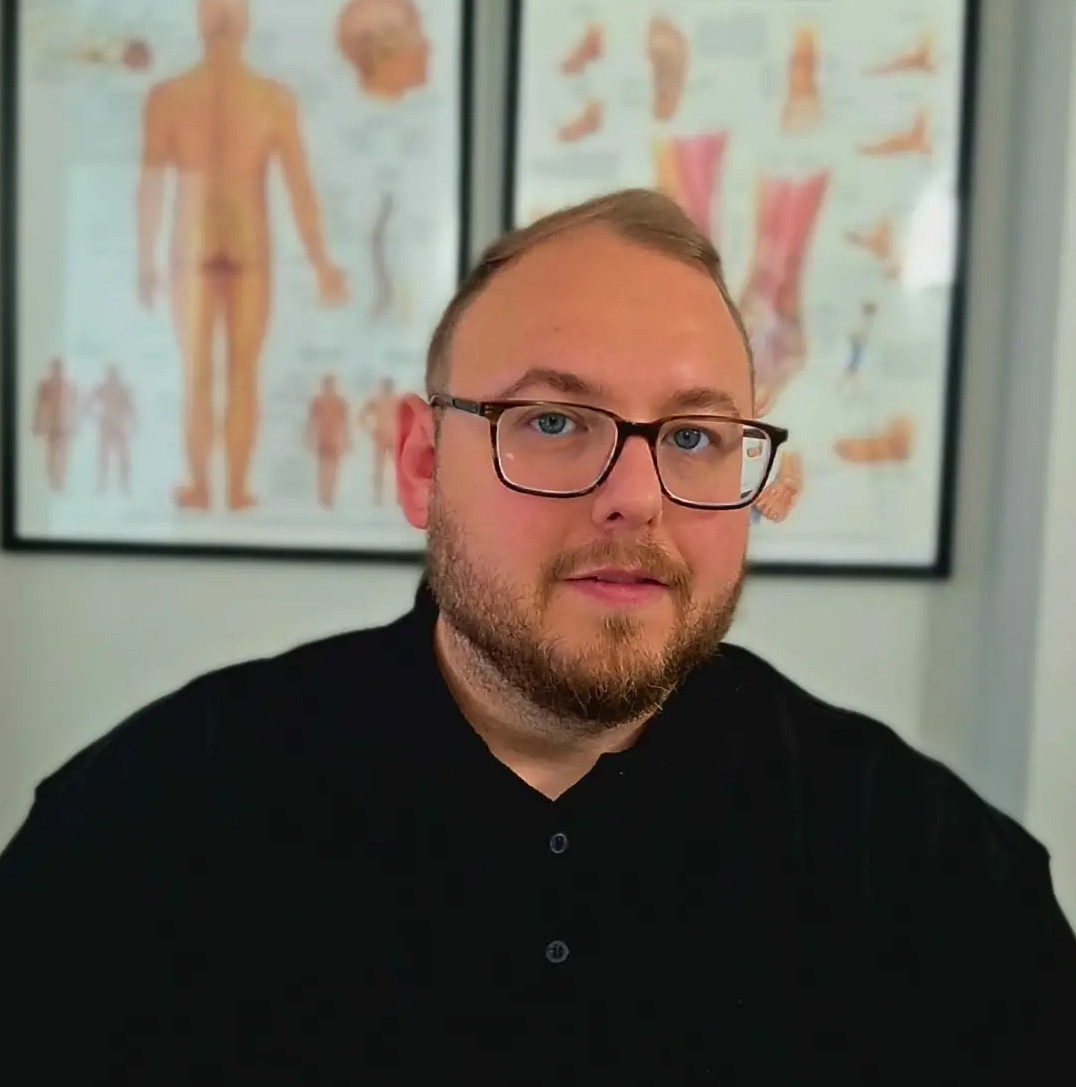
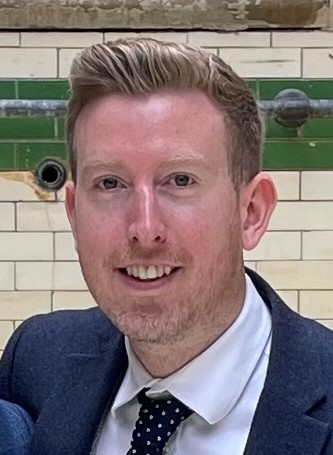
Your Physiotherapy Team in Sale
HCPC registered, chartered physiotherapists with experience in stroke & neurological rehabilitation.
Clinician availability depends on your location, needs and appointment times. We will confirm who will visit you when you book.

Not sure whether this service is right for you or your relative? Speak to a chartered physiotherapist and check availability in Sale.
Why Physiotherapy at Home May Help
Home physiotherapy allows assessment and rehabilitation in the environment where everyday activities take place. For people in Sale who find clinic travel difficult, this can make treatment more convenient and directly relevant to their daily goals. Clinic-based physiotherapy still has a place, and the right option depends on your needs and preferences.
No travel required. The physiotherapist comes to you at a time that suits, eliminating stressful journeys and waiting rooms.
You must travel to every appointment, arrange transport, find parking, and wait — often exhausting and painful for patients with mobility issues.
Your physiotherapist sees exactly how you move in your own home — your stairs, your chairs, your bathroom — and treats the real challenges you face daily.
Assessment takes place in an artificial clinical environment that doesn't reflect the obstacles you encounter at home.
Trip hazards, lighting, furniture layout, and flooring are assessed directly. Recommendations are specific to your actual home.
Home hazards cannot be identified. Falls prevention advice is generic rather than tailored to your environment.
Exercises are practised on your actual stairs, in your own hallway, using your own furniture — directly transferable to daily life.
Exercises use clinical equipment on flat surfaces that don't represent your home environment, reducing carryover.
Treatment in familiar, private surroundings can reduce anxiety and encourage engagement for many patients.
Clinical environments can feel less personal, which some patients find unsettling.
You see the same physiotherapist at every visit, building trust and ensuring consistent, progressive treatment.
You may see different therapists at each appointment, disrupting the therapeutic relationship and treatment consistency.
Treatment Built Around Your Home
For many people in Sale, being assessed and treated at home means exercises are practised on the actual stairs, chairs and surfaces they use every day. Outcomes depend on your condition, goals and how consistently you follow your programme — but treatment in your own environment can make rehabilitation more practical and directly relevant to daily life.
About Home Stroke Rehabilitation Physiotherapy
Understanding Stroke Rehabilitation
A stroke occurs when the blood supply to part of the brain is interrupted, causing brain cells to be damaged or destroyed. The effects depend on which part of the brain is affected and how severely, but commonly include weakness or paralysis on one side of the body, balance and coordination difficulties, problems with walking, and changes in sensation.
Rehabilitation after stroke is a gradual process. The brain has a remarkable ability to adapt and rewire itself — a process known as neuroplasticity — and physiotherapy plays a central role in supporting this recovery.
Walking Recovery After Stroke
Regaining the ability to walk is often a primary goal for stroke patients. Our physiotherapists use evidence-based techniques to rebuild walking ability progressively, starting with supported standing and weight-bearing, progressing through assisted walking, and working towards independent mobility.
At home, we can practise walking in the exact environment you need to navigate daily — your hallway, your living room, your garden path. This task-specific training is far more effective than practising in a clinical gymnasium.
Upper Limb Recovery
Many stroke survivors experience weakness or loss of function in one arm and hand. Our physiotherapists use targeted exercises and functional tasks to promote recovery, including repetitive movement practice, grip and fine motor exercises, reaching tasks, and activities that encourage use of the affected arm in daily life.
Even small improvements in hand function can make a significant difference to independence — the ability to hold a cup, button a shirt, or turn a key.
Balance and Confidence
Poor balance after stroke increases the risk of falls and can severely limit confidence and activity levels. Our balance rehabilitation programme includes static and dynamic balance exercises, weight-shifting practice, stepping exercises, and functional tasks that challenge balance in a controlled, safe way.
Training at home is particularly effective because the exercises relate directly to the surfaces and spaces you encounter every day.
Understanding Your Condition
A comprehensive resource covering causes, symptoms, diagnosis, treatment, recovery, and self-management — designed to help you understand your condition and make informed decisions about your care in Sale.
1Causes: Understanding Why Strokes Happen
A stroke occurs when the blood supply to part of the brain is interrupted, causing brain cells to be damaged or destroyed. There are two main types: ischaemic stroke, caused by a blood clot blocking a cerebral artery (accounting for approximately eighty-five per cent of all strokes), and haemorrhagic stroke, caused by a blood vessel bursting and bleeding into or around the brain.
The underlying causes of stroke are well understood. High blood pressure is the single most significant risk factor, damaging artery walls over time and promoting both clot formation and vessel rupture. Atrial fibrillation — an irregular heart rhythm — allows blood to pool and clot in the heart, with clots then travelling to the brain. Other major risk factors include smoking, diabetes, high cholesterol, obesity, and excessive alcohol consumption.
Age is a significant factor; stroke risk doubles each decade after fifty-five. However, lifestyle factors are modifiable, meaning many strokes are preventable. A transient ischaemic attack (TIA or "mini-stroke") is a warning sign — temporary stroke symptoms that resolve but indicate a high risk of a full stroke. Anyone experiencing TIA symptoms requires urgent medical assessment.
Understanding the cause of a stroke informs both medical treatment and rehabilitation strategy. Your physiotherapist will work alongside your medical team, considering the type, location, and severity of your stroke when designing your rehabilitation programme.
2Symptoms: Effects of Stroke on the Body
The effects of stroke depend on which part of the brain was damaged and how severely. The most common physical symptom is hemiplegia or hemiparesis — weakness or paralysis on one side of the body, typically the side opposite to the brain lesion. This may affect the face, arm, and leg to varying degrees, and is often accompanied by changes in sensation, including numbness, tingling, or altered proprioception.
Balance and coordination are frequently affected. Many stroke survivors experience unsteadiness when standing or walking, increased fall risk, and difficulty with tasks requiring fine coordination. The arm and hand are often more severely affected than the leg, and recovery of hand function can be particularly challenging.
Beyond physical symptoms, stroke can cause a range of less visible effects. Fatigue is extremely common and can be overwhelming, limiting the amount of rehabilitation that is productive in a single session. Cognitive changes may include difficulties with attention, memory, problem-solving, and spatial awareness. Communication problems — aphasia (difficulty with language) and dysarthria (slurred speech) — affect many stroke survivors and can complicate rehabilitation.
Emotional changes are also common, including frustration, anxiety, and depression. Recognising and addressing these is an essential part of comprehensive stroke care. Your physiotherapist will work with you to address the physical effects while coordinating with other specialists for cognitive and emotional support.
3Diagnosis: Stroke Assessment and Rehabilitation Planning
Stroke diagnosis is typically made in hospital using brain imaging — CT or MRI scans — to determine the type and location of the stroke. Medical assessment evaluates the severity using standardised scales such as the NIH Stroke Scale. Once medically stable, rehabilitation assessment begins, often within the acute hospital setting.
Comprehensive physiotherapy assessment evaluates the full range of stroke effects. Motor assessment tests strength, tone (looking for spasticity or flaccidity), reflexes, and active movement in the affected limbs. Functional assessment evaluates the ability to roll, sit, stand, transfer, and walk, using standardised measures such as the Berg Balance Scale, Functional Independence Measure, or the Motricity Index.
Sensory assessment checks for changes in touch, temperature, and proprioception, which affect movement quality and safety. Balance and coordination are evaluated both statically (sitting and standing balance) and dynamically (during movement and walking). Your physiotherapist will also assess posture, joint range, and the presence of any contractures or subluxations (particularly shoulder subluxation, which is common after stroke).
At home, the assessment extends to the environment — how you navigate your home, what assistance you need, and what modifications might improve safety and function. This comprehensive assessment forms the basis of your rehabilitation plan, which is reviewed and adjusted regularly as you progress.
4Treatment: Medical and Rehabilitation Approaches
Medical treatment of stroke depends on the type. Ischaemic strokes may be treated with clot-busting medication (thrombolysis) if presented within the time window, or mechanical clot retrieval (thrombectomy). Ongoing medical management focuses on secondary prevention: blood pressure control, anticoagulation for atrial fibrillation, statins for cholesterol, and lifestyle modification.
Rehabilitation is the primary treatment for stroke's physical effects. The principles of stroke rehabilitation are grounded in neuroplasticity — the brain's ability to rewire and form new connections. Repetitive, task-specific practice is the most effective approach, stimulating the brain to relearn movement patterns. The more meaningful and relevant the task, the stronger the neuroplastic response.
Physiotherapy treatment may include: facilitation techniques to encourage active movement in affected limbs; weight-bearing through affected limbs to promote normal tone and sensory feedback; gait training to rebuild walking ability; balance retraining; upper limb rehabilitation including constraint-induced movement therapy where appropriate; and functional task practice using real objects in real environments.
Treatment intensity matters — research consistently shows that more rehabilitation produces better outcomes, within the limits of patient fatigue. Your physiotherapist will balance intensity with recovery needs, adjusting the programme as your abilities change. Family involvement is encouraged, as guided practice between sessions significantly enhances recovery.
5Physiotherapy at Home: Stroke Rehabilitation in Familiar Surroundings
Home-based stroke rehabilitation offers unique advantages that complement the neuroplasticity-driven approach. When rehabilitation takes place in the patient's own environment, the tasks practiced are directly relevant to daily life — walking through your own hallway, practising standing from your own chair, reaching for items in your own kitchen. This contextual specificity enhances motor learning and promotes functional carryover.
For patients in Sale, our stroke rehabilitation service brings specialist neurological physiotherapy to your home. Sessions focus on the specific challenges you face in your environment, from navigating doorways with a frame to managing stairs safely. Family members learn how to assist with exercises, support transfers, and encourage affected limb use between sessions.
Home rehabilitation also allows for environmental modification — your physiotherapist can recommend and help implement changes such as furniture rearrangement, grab rail installation, and removal of trip hazards that make movement safer and more achievable.
The continuity of seeing the same physiotherapist at each visit builds the therapeutic relationship that is so important in stroke recovery. Your physiotherapist tracks your progress over time, celebrating improvements and adjusting the programme to maintain challenge as you recover. Our neurological physiotherapy service provides additional specialist support for complex cases.
6Recovery Stages: The Journey After Stroke
Stroke recovery follows a broadly predictable pattern, though individual timelines vary considerably. The acute phase (days to weeks) focuses on medical stabilisation, preventing complications, and beginning gentle mobilisation. Early movement — even passive movement for patients who cannot move independently — helps maintain joint range and circulation.
The sub-acute phase (weeks to months) is where most functional recovery occurs. This is the period of most intensive rehabilitation, with the brain's neuroplasticity at its peak. Most walking recovery happens within the first three months, though improvement continues well beyond this. Upper limb recovery often follows a slower trajectory, with continued gains possible for many months or even years.
During this phase, rehabilitation focuses on rebuilding movement quality, progressing from assisted to independent movement, and developing compensatory strategies where full recovery is not possible. The goals are individualised and meaningful — walking independently, dressing, preparing a meal, returning to a hobby.
The chronic phase (months to years) shifts towards maintenance, continued functional improvement, and adaptation. While the rate of recovery slows, ongoing rehabilitation continues to produce gains. Community reintegration, return to work or driving, and long-term exercise programmes become the focus. Regular physiotherapy review ensures that gains are maintained and new goals are pursued.
7Prognosis: Recovery Potential After Stroke
Stroke prognosis is highly variable and depends on numerous factors: the type, location, and size of the stroke; the patient's age and pre-stroke health; the speed of medical treatment; and — critically — the intensity and consistency of rehabilitation. While it is impossible to predict individual outcomes with certainty, research provides useful general guidance.
Approximately one-third of stroke survivors achieve near-full functional recovery, one-third have moderate disability but maintain independence, and one-third have significant ongoing disability. Walking recovery is one of the most achievable goals — the majority of stroke survivors regain some walking ability, with many achieving independent community ambulation.
Upper limb recovery is generally less complete. While many patients regain some arm movement, full hand function is recovered by a smaller proportion. However, even small improvements in hand function can make a significant difference to independence.
The strongest predictors of good outcome are early and intensive rehabilitation, younger age, and mild initial stroke severity. However, even patients with severe strokes can achieve meaningful functional gains with persistent, targeted rehabilitation. Neuroplasticity means the brain continues to adapt throughout life, and we have seen remarkable recoveries even months and years after stroke. Setting realistic but ambitious goals, maintained over the long term, produces the best outcomes.
8Self-Management: Continuing Recovery Between Sessions
Self-management is essential in stroke recovery, as the majority of rehabilitation occurs outside formal physiotherapy sessions. Your physiotherapist will provide a structured home exercise programme targeting your specific impairments — strengthening exercises for affected limbs, balance practice, walking drills, and functional task repetition. Consistent daily practice, even in short sessions, produces better results than occasional longer efforts.
Affected limb use is a key principle. The tendency to rely on the unaffected side — while natural — can lead to learned non-use, where the brain reduces its investment in the affected limb. Your physiotherapist will guide you on incorporating the affected arm and hand into daily activities, even if movement is limited.
Cardiovascular fitness is important for stroke survivors. Regular, appropriate aerobic exercise improves walking endurance, overall function, and even cognitive recovery. Your physiotherapist can advise on safe activities, progressing from seated exercises to walking and beyond.
Family and carers play a vital role. They can assist with exercises, provide encouragement during plateaus, help monitor for changes (both improvements and new symptoms), and ensure the home environment remains safe and supportive. Support groups — both in person and online — provide valuable peer support and practical advice from others who understand the stroke journey.
9When to Seek Medical Advice: Post-Stroke Warning Signs
After a stroke, certain symptoms require urgent medical attention. Any new stroke symptoms — sudden weakness, numbness, slurred speech, visual disturbance, or confusion — may indicate a recurrent stroke or TIA and require immediate emergency care. Do not wait to see if symptoms resolve; call 999 immediately.
Seizures can occur after stroke and require medical assessment. A first seizure, or any change in seizure pattern, should be reported to your medical team. Sudden, severe headache, particularly if different from previous headaches, needs urgent assessment.
Falls are common after stroke due to balance and mobility impairment. Any fall resulting in head injury, new pain, or reduced mobility requires assessment — particularly if you are taking anticoagulant medication. Repeated falls, even without injury, should be reported to your physiotherapist or GP for review.
Watch for signs of complications: swelling, warmth, or tenderness in the calf may indicate deep vein thrombosis; shoulder pain or subluxation in the affected arm should be assessed by your physiotherapist; pressure sores can develop if mobility is significantly reduced. Mood changes, particularly depression, are common and treatable — speak to your GP if you are experiencing persistent low mood, anxiety, or loss of interest in activities.
Related Conditions & Services in Sale
Stroke Rehabilitation: At a Glance
Stroke rehabilitation harnesses neuroplasticity — the brain's ability to rewire itself — to recover movement, balance, and function after a stroke. Physiotherapy is central to this process, particularly in the first three to six months when recovery is most rapid.
Mechanism
Neuroplasticity and repetitive task practice
Peak Recovery
First 3–6 months post-stroke
Key Interventions
Gait training, upper limb rehab, balance
Evidence Base
Intensive rehab improves functional outcomes
Who is this for?
Stroke survivors experiencing hemiparesis, gait difficulties, balance problems, upper limb weakness, or loss of functional independence following a stroke.
Treatment approach
Task-specific repetitive training, gait retraining, weight-bearing exercises, balance rehabilitation, and upper limb functional practice — all delivered in the patient's home environment.
Real Recovery Outcomes
Every patient's journey is unique. Below is a representative case study from our clinical practice, showing the kind of progress our patients typically achieve.
Patient Case Study: D.W., Age 84
Severe deconditioning and bedbound state following a four-week hospital stay
D.W.'s husband was hospitalised for over four weeks and unable to get out of bed. Through consistent home rehabilitation, he progressed from bedbound to walking with a frame, with continued improvement towards a walking stick.
Measurable Outcomes
Mobility
Transfers
Standing tolerance
Expected Recovery Timeline
Weeks 1–3
Bed mobility, supported sitting, assisted standing
Weeks 4–8
Frame-assisted walking, transfer practice, strengthening
Weeks 9–12
Gait refinement, progression towards walking stick
Patient Review
"Rob is very professional and knowledgeable, really helped my husband (84) who was hospitalised for over 4 weeks and didn't get out of bed. He's got him up and running (not quite!). Hoping to move from the zimmer frame to the walking stick very soon. Would highly recommend, thank you Rob."
Dot Watson — Marple
Individual outcomes vary. These case studies represent typical results based on our clinical experience, but every patient's recovery is different. Your progress depends on your specific condition, overall health, medical history, and adherence to your exercise programme. These examples are for information only and do not constitute a guarantee of outcome.
What Our Patients Say
"Rob was absolutely brilliant right from the first session. I had a very complex injury which he was able to advise on in a non-judgmental way. He is extremely knowledgeable, helpful and was able to make so many individualised recommendations in terms of exercises and equipment. The support and advice he provided has made a HUGE difference and I really can't recommend enough!"
Lauren Lovett
"Rob was personable and knowledgeable, applied his trade excellently and gave advice that has helped me on my way to recovery. Can't recommend enough, great guy and great treatment."
James Taylor
"I went to see Rob in a lot of pain having been told by my doctor I had arthritis and that was that. It wasn't arthritis; and after a thorough examination, I was given daily exercises. I very quickly started to feel better and now feel no pain and my strength is improving."
Gemma Boyle
Home Physiotherapy Coverage in Sale
We provide home physiotherapy visits throughout Sale, including Sale town centre, Sale Moor, Ashton upon Mersey, Brooklands, Dane Bank. If you live near the edge of the area, send us your postcode and we will confirm availability.
Neighbourhoods served
Postcode areas
If your postcode is not listed, send it to us and we will confirm whether we can visit.
Flats & apartments
We visit flats and apartment buildings. Please mention any access considerations when you book (for example stairs, lifts or parking).
Sheltered & residential settings
We visit sheltered housing, extra-care and residential settings, and can liaise with on-site staff or family members with your consent.
Some addresses on the edge of our area may fall outside our routine visiting range. Send us your postcode and we will confirm availability before you book.
Nearby Hospitals
Shown for context — for example, if you have recently been discharged.
Trafford General Hospital
Around 4 miles north — acute and A&E services.
Wythenshawe Hospital
Around 4 miles south — specialist acute services.
Recovery at Home Physio is an independent provider and is not affiliated with the hospitals or GP practices listed on this page.
We do not list individual GP surgeries, but with your consent we can liaise with your own GP, consultant or hospital team and share relevant updates.
What Sale Patients Say
"Rob was absolutely brilliant right from the first session. I had a very complex injury which he was able to advise on in a non-judgmental way. He is extremely knowledgeable, helpful and was able to make so many individualised recommendations in terms of exercises and equipment. The support and advice he provided has made a HUGE difference and I really can't recommend enough!"
Lauren Lovett — Stockport
"Rob was personable and knowledgeable, applied his trade excellently and gave advice that has helped me on my way to recovery. Can't recommend enough, great guy and great treatment."
James Taylor — Romiley
Areas We Cover Near Sale
We also provide home physiotherapy visits in these nearby areas.
Fees and Booking Information
Straightforward pricing with no surprises. All costs are agreed with you before any appointment is confirmed.
Initial assessment & first treatment
Includes your assessment, treatment plan and first treatment session.
Initial assessment
Around 60 minutes in your home, including your first treatment where appropriate.
No GP referral needed
You can self-refer. If you have scan results or medical letters, have them ready for the first visit.
Clear pricing
Follow-up session costs are confirmed before you book. There are no hidden fees.
Why Choose Recovery at Home Physio
We set the standard for home physiotherapy across Greater Manchester, Cheshire East, Warrington and St Helens.
HCPC Registered
All physiotherapists are registered with the Health and Care Professions Council
Chartered Physiotherapists
Members of the Chartered Society of Physiotherapy
Extensive Clinical Experience
A proven track record of clinical excellence in physiotherapy
Home Visits Only
We come to you — no clinic waiting rooms or travel stress
Evidence-Based
Treatment guided by the latest clinical research and guidelines
Personal Rehab Plans
Every programme is tailored to your specific needs and goals
Practical Questions, Answered
A few things people often want to know before getting in touch.
Can a relative arrange the appointment?
Yes. Family members often arrange the initial call on behalf of a parent, partner or relative. We will speak with the person receiving treatment (or their representative) to confirm what they would like.
Can a carer or family member be present?
Always. A carer or relative is welcome to attend every session, observe, and learn how to support exercises safely between visits.
What if I have limited mobility?
That is exactly who we visit. Treatment takes place in your own home, so there is no travel, no clinic transfer, and exercises are built around the furniture, stairs and spaces you use every day.
Do I need to provide any equipment?
No. Your physiotherapist brings all assessment and treatment equipment to every visit. We simply need a clear, well-lit space to work in.
Can you communicate with my consultant, GP or other clinicians?
Yes, with your consent. We can liaise with your GP, consultant or hospital team and share relevant updates so your rehabilitation fits within your wider care.
How quickly can treatment start?
Same-day or next-day appointments are often available, subject to capacity. After your free phone consultation we will agree a convenient time for your first home visit.
What does the first appointment cost?
Your first visit is £110 and lasts 60 minutes, including the assessment and first treatment. Follow-ups are £99 for 60 minutes, and a package of five visits is £450. Online video consultations are £45 for 30 minutes. Travel is included, and you pay after your appointment by card, bank transfer or cash.
Frequently Asked Questions
Stroke Rehabilitation — Clinical Questions & Answers
Evidence-based answers to the most common clinical questions about stroke rehabilitation and home physiotherapy treatment in Sale.
How does physiotherapy help after a stroke?
Stroke rehabilitation harnesses neuroplasticity — the brain's ability to form new neural connections and rewire itself. Physiotherapy uses repetitive, task-specific practice to help the brain relearn movement patterns. Treatment focuses on regaining walking, balance, arm and hand function, and independence in daily activities. The most rapid recovery typically occurs in the first three to six months.
When should stroke rehabilitation physiotherapy begin?
Stroke rehabilitation should begin as early as medically stable — often within 24–48 hours of the stroke in hospital. After discharge, continuing physiotherapy at home is critical to maintain momentum. Early and intensive rehabilitation is the strongest predictor of good functional outcomes, but improvement can continue for months or even years.
Can stroke patients regain the ability to walk?
Many stroke survivors regain some or full walking ability with appropriate rehabilitation. Recovery depends on stroke severity, location, and the intensity of rehabilitation. Physiotherapists use progressive gait training — starting with supported standing and weight-bearing, advancing through assisted walking, and working towards independent mobility. Practising at home, on the actual surfaces the patient navigates daily, is highly effective.
What is neuroplasticity and why does it matter for stroke recovery?
Neuroplasticity is the brain's ability to reorganise itself by forming new neural connections. After a stroke, undamaged parts of the brain can take over functions from damaged areas. Repetitive, meaningful practice of tasks drives this rewiring — which is why physiotherapy focuses on task-specific training rather than generic exercises. Consistency and intensity are key.
How long does stroke rehabilitation take?
Stroke recovery follows an individual timeline. The most rapid improvements typically occur in the first 3–6 months, but gains can continue for years with ongoing rehabilitation. Acute rehabilitation may involve 2–5 sessions per week, gradually reducing as the patient gains independence. Long-term maintenance programmes help sustain and build on recovery achieved.
Can home-based physiotherapy help with arm recovery after stroke?
Yes. Upper limb recovery is a major focus of post-stroke physiotherapy. Treatment includes repetitive reaching and grasping exercises, functional task practice (e.g., holding a cup, turning a key), constraint-induced movement therapy principles, and fine motor exercises. Even small improvements in hand function can significantly increase independence in daily activities.
Related Services & Areas
Explore related home physiotherapy services available in Sale and surrounding areas across Greater Manchester, Cheshire East, Warrington and St Helens.
Related Services in Sale
Stroke Rehab in Nearby Areas
Other Services in Sale
Explore our full range of home physiotherapy services available in Sale.
Check Availability in Sale
Start your recovery at home. Contact us today for a free telephone consultation with one of our chartered physiotherapists.